A guide and a sourcing service
Three thousand years of rings from Africa.
From a gold frog made in Akhenaten's Egypt to brass cast in Mali. See the traditions, learn what to look for, and tell us the ring you want found or made.
Find me a ring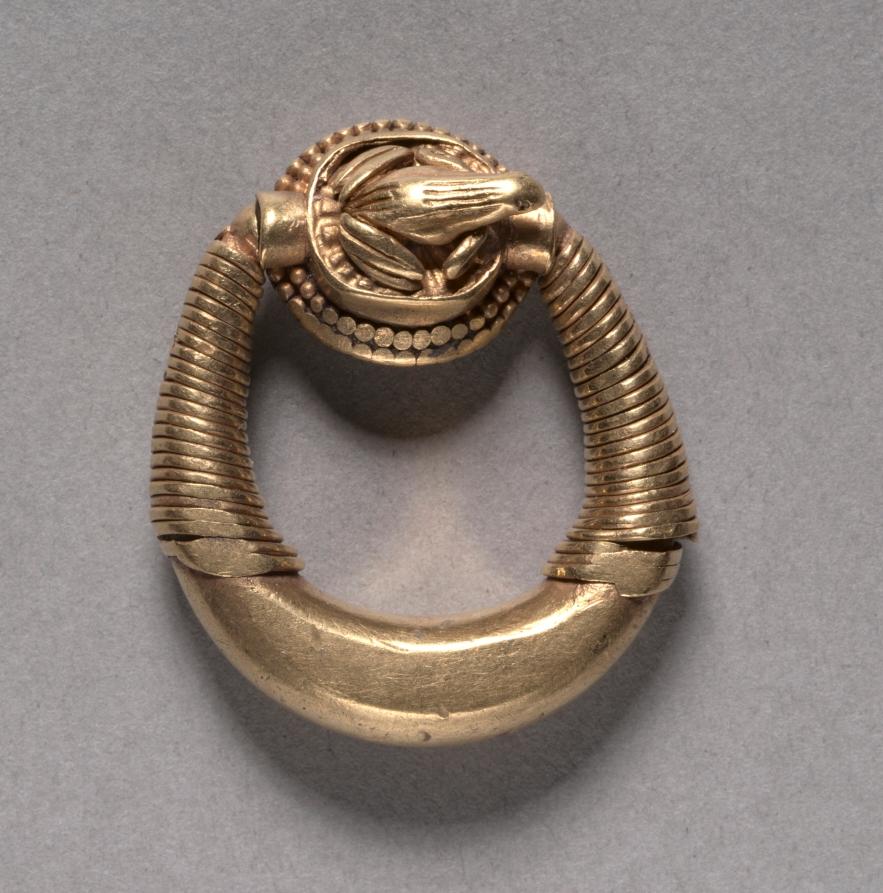
The plates
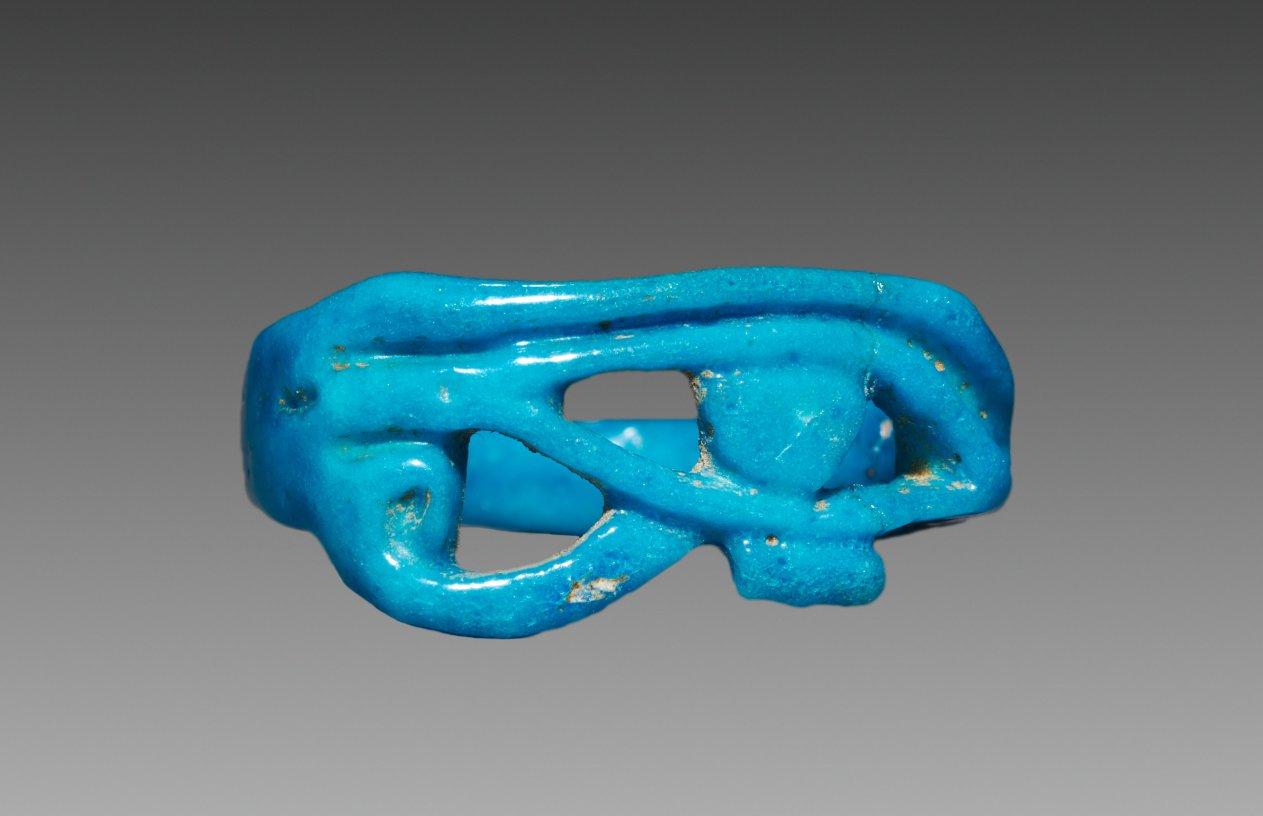
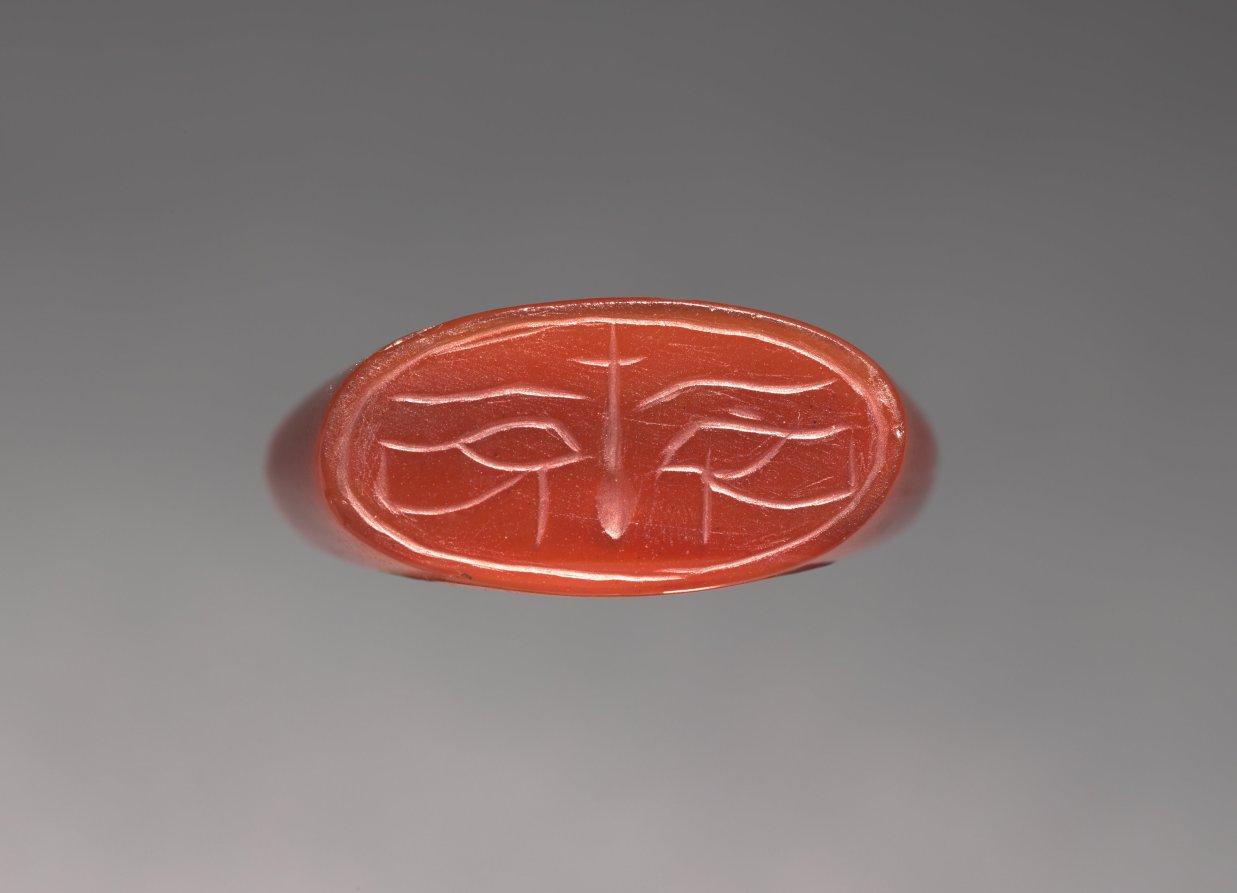
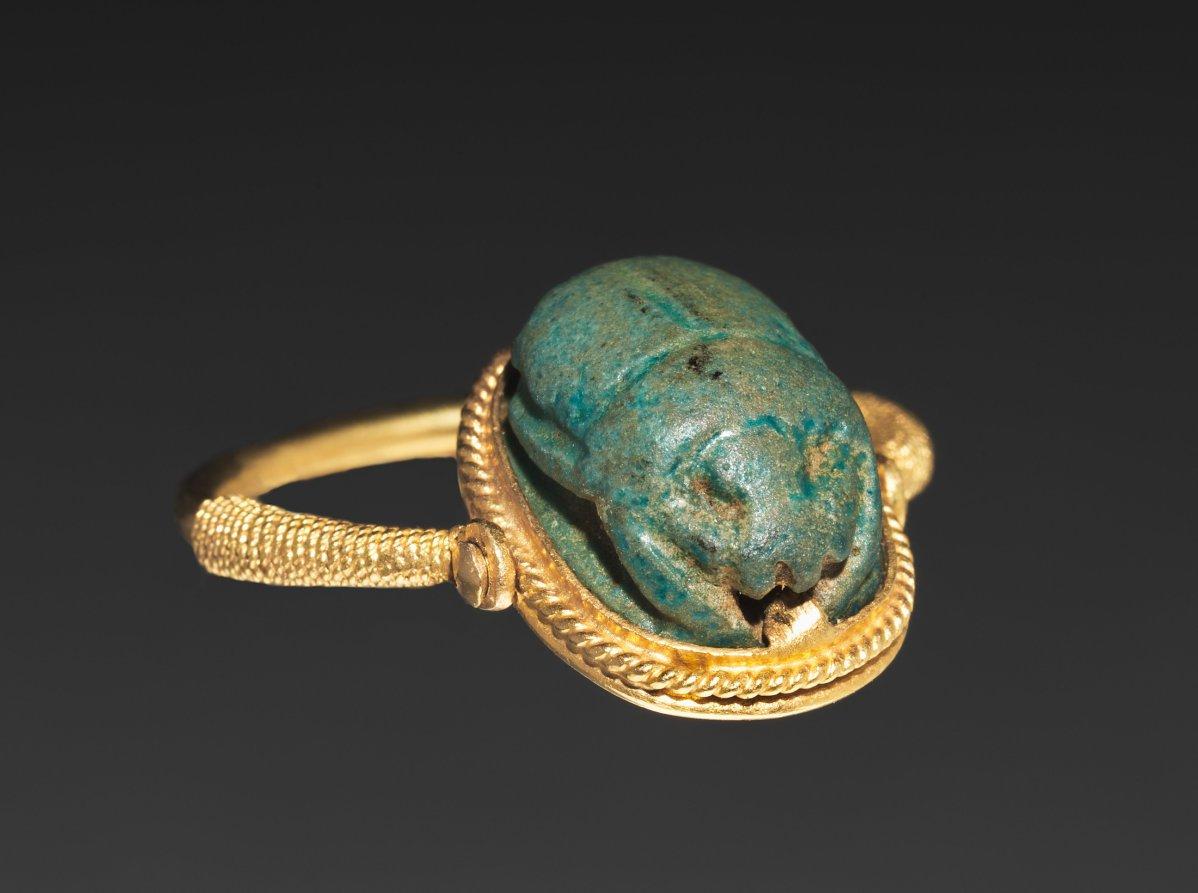
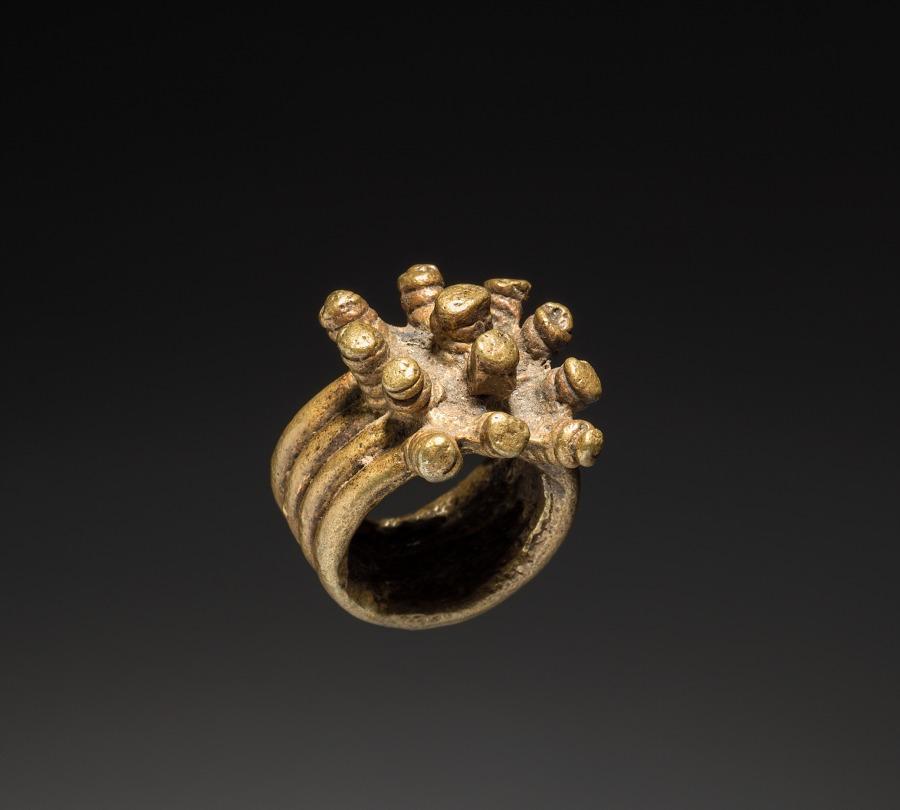
Real rings, photographed by the Cleveland Museum of Art and released into the public domain. They are not for sale; they show what each tradition looks like at its best.
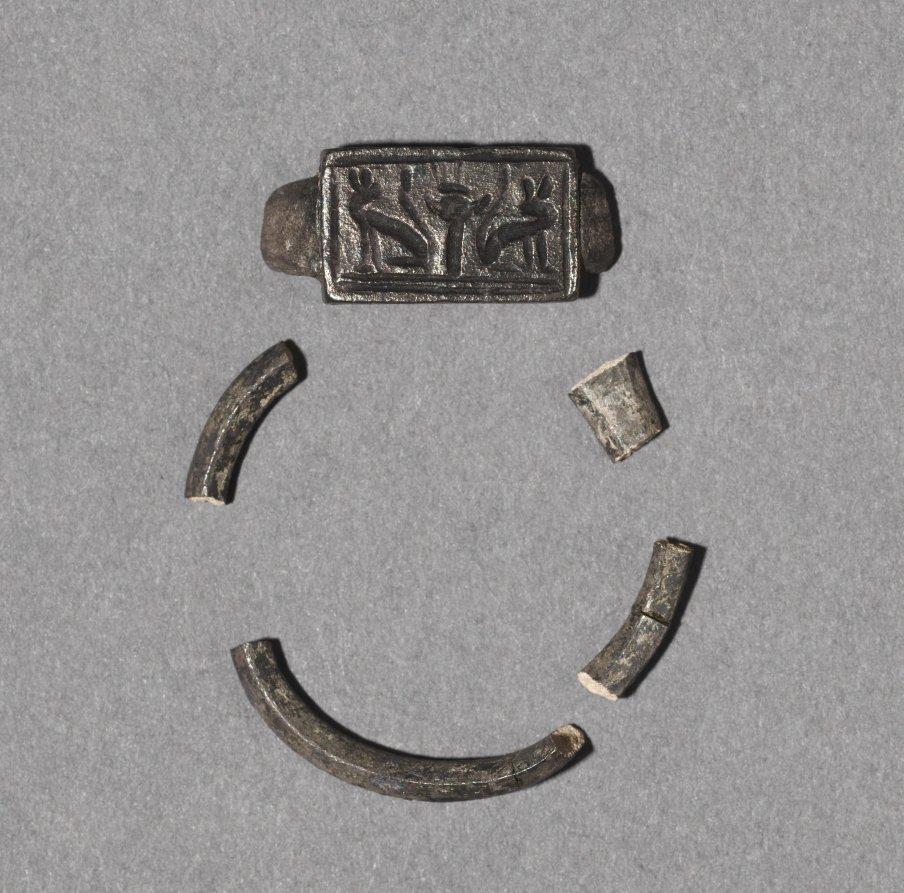
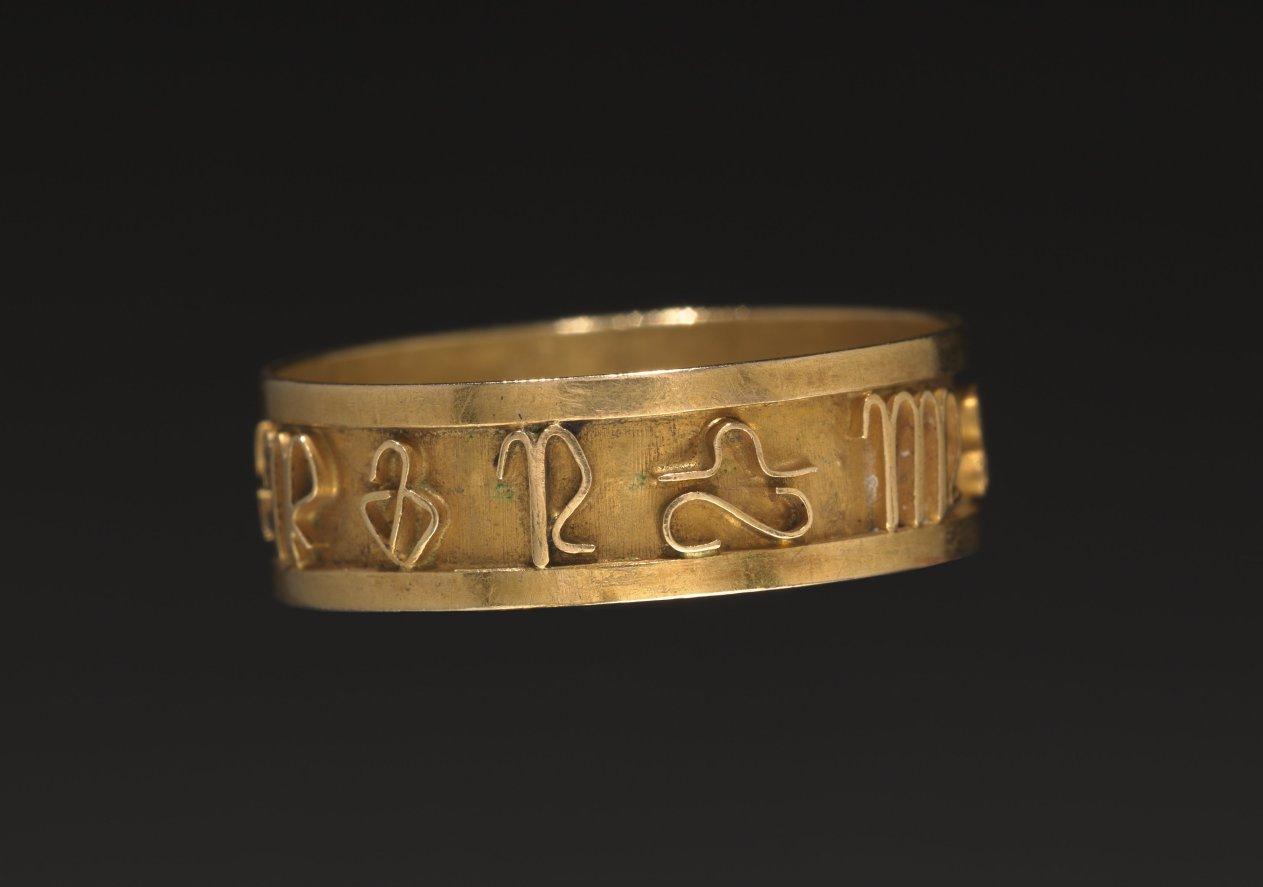
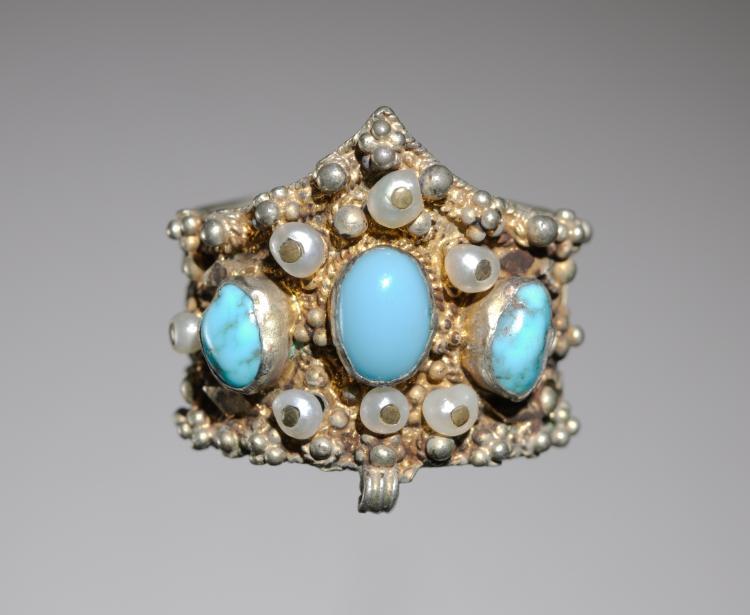
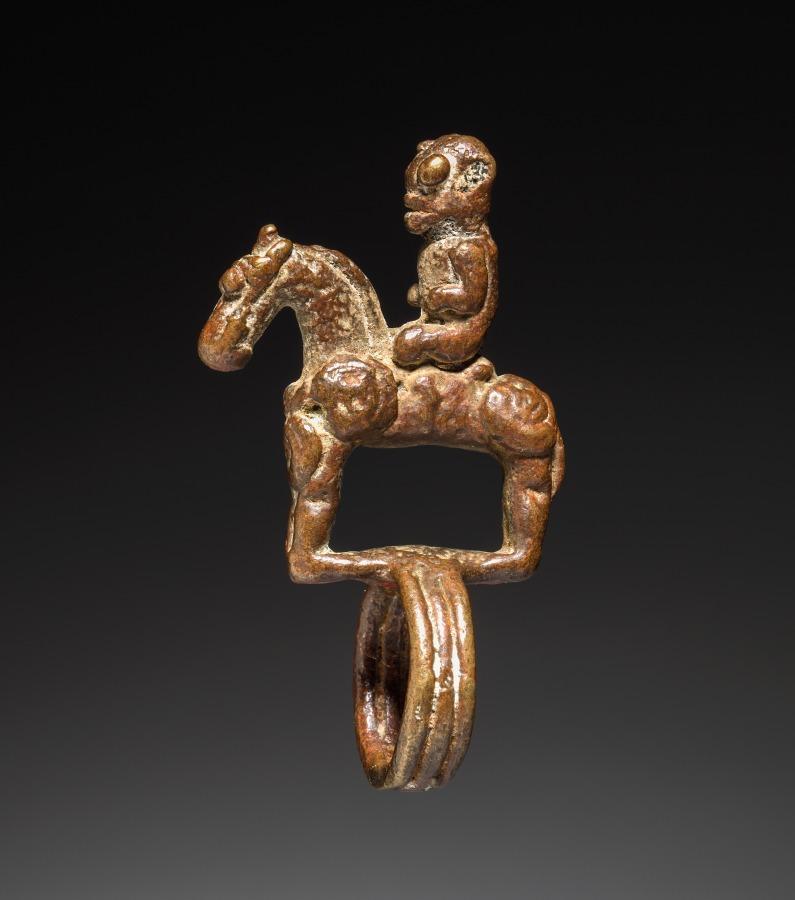
Ring traditions
Seven places to start. Each is a living craft or an old one with living descendants.
- Ancient EgyptFaience, gold and carved stone: rings as seals and as protection.
- Akan goldCast gold from Ghana and Côte d'Ivoire, made for chiefs and their courts.
- Tuareg silverEngraved silver from the Sahara, in strong geometric shapes.
- Maasai beadworkGlass beads stitched in bright bands, made by women in Kenya and Tanzania.
- West African cast brassCopper-alloy rings from Mali, Côte d'Ivoire and Burkina Faso.
- North African gold and silverCity goldwork and Amazigh silver, set with stones, enamel and coral.
- Ethiopian silverHand-worked silver from the Horn of Africa.
Ring sizes at a glance
US size and the inside diameter it means. The circles are in proportion to one another; use a ruler on a ring you own for the real measurement. How to measure
- 515.7 mm
- 616.5 mm
- 717.3 mm
- 818.2 mm
- 919.0 mm
- 1019.8 mm
- 1120.6 mm
- 1221.4 mm
Find me a ring
- Say what you are after. A tradition, a metal, a budget, an occasion. A photo of something you have seen helps.
- We look for it. We ask makers and jewellers who work in that tradition whether they have the piece or can make it.
- You decide. We send what we find, with who made it and what it is made of. There is no charge for asking.
Questions
Are the rings in the photographs for sale?
No. They are museum pieces in the Cleveland Museum of Art, shown to illustrate each tradition. The museum has released the photographs into the public domain.
Do you sell rings?
Not yet. Today African Rings is a guide and a finding service: tell us what you are after and we look for a maker or jeweller who can supply it.
Does it cost anything to ask?
No. Sending a request is free and you are under no obligation to buy.
I make rings. Can I work with you?
Yes. Use the form, choose the closest tradition, and tell us about your work and where you are.